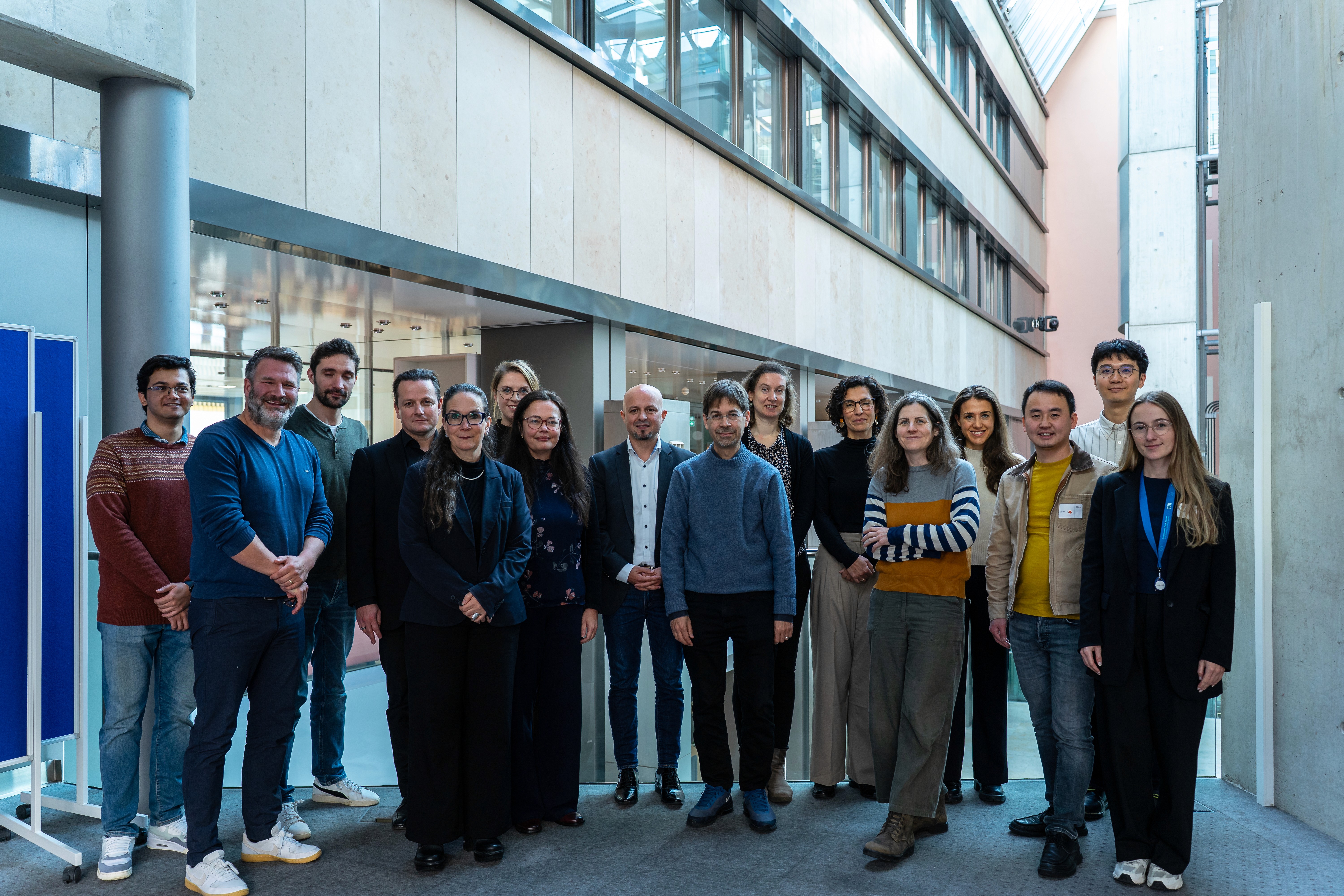
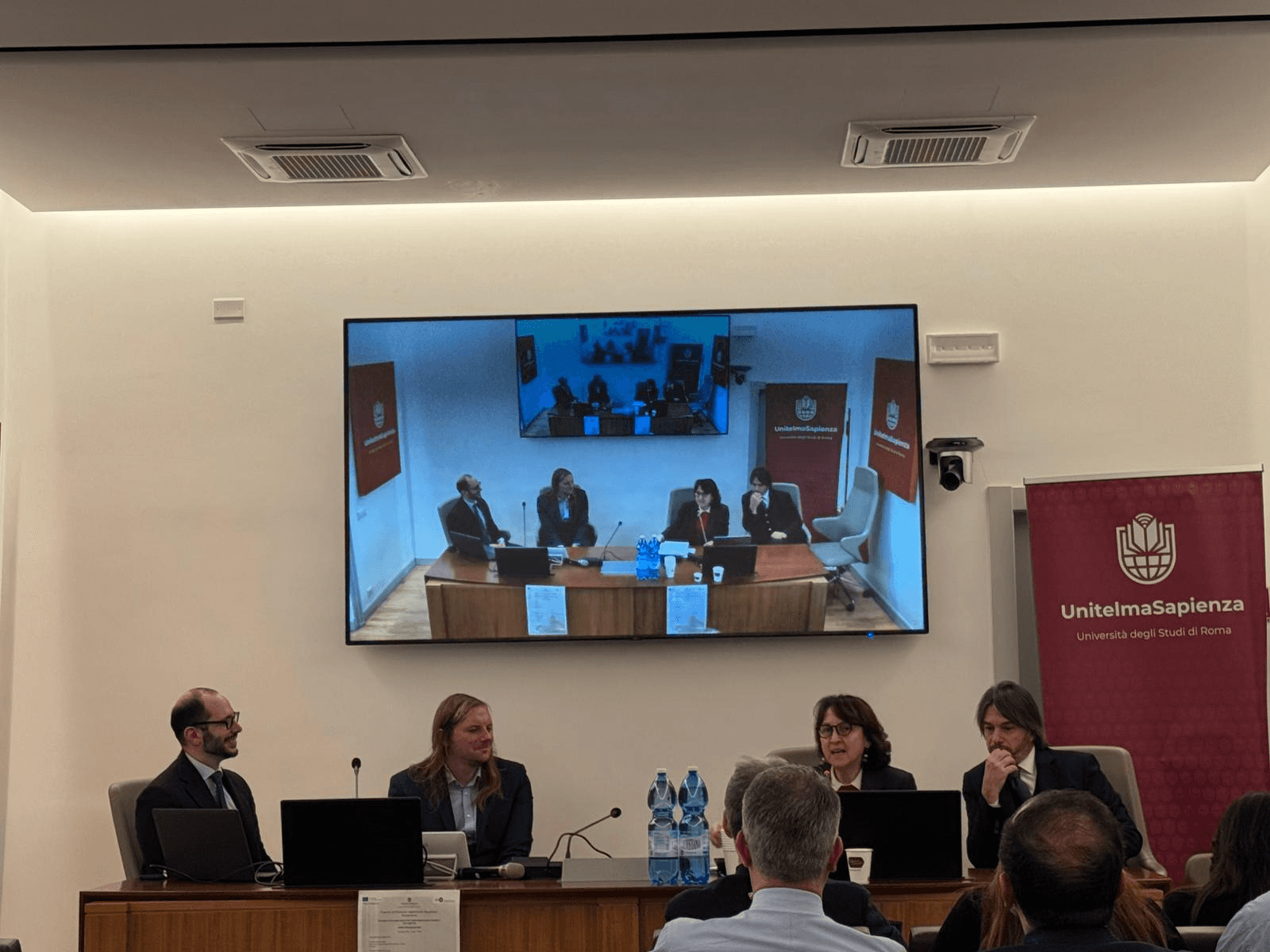
At this year’s TILTing Conference 2026, the AI4POL team hosted a panel titled "Maintaining Control in an AI-Driven World: Towards Machine Unlearning and Consumer Autonomy." The questions we put to the panelists were simple to state and hard to answer. As AI systems become more adaptive and autonomous, what does human control over them actually look like?
The panel was deliberately interdisciplinary. Inge Graef brought a legal perspective, Patricia Prüfer an economic and data science one, Bart Engelen a philosophical one, and an external point of view from Giulia Sandri a political science one. Jens Prüfer, Principal Investigator of AI4POL, also contributed his expertise. Each panelist opened with a one-sentence statement and a short presentation, which set up a discussion where they could build on, and disagree with, one another.

Several themes ran through the conversation
Principles are not the problem; translation is. Many AI governance debates suffer less from a lack of norms than from the difficulty of turning those norms into standards that are both enforceable and technically realistic. Bridging that gap needs closer collaboration between scientists, lawyers, and regulators, and institutions able to enforce what is agreed.
Control means different things in different fields. Machine unlearning raises technical questions about how data can be removed from trained models. Consumer autonomy raises conceptual ones about what it means to choose freely when systems are built to nudge and manipulate. Digital democracy raises questions about citizens’ agency in information environments shaped by algorithms. Each field needs new tools, and each needs to cross disciplinary boundaries to build them.
Trade-offs are real. Innovation and efficiency often pull against accountability, fairness, and individual freedom. We discussed how policymakers, designers, and organisations can navigate that tension without treating it as a choice between progress and protection.
Are incentives the common root?
We also asked whether these issues share an underlying cause: misaligned incentives in digital markets. If so, addressing symptoms one by one will never be enough, and the harder work is reshaping the incentives themselves.
The audience questions pushed the discussion further, and the exchange between disciplines reinforced something central to the AI4POL project: no single field can address these challenges alone.
I’m grateful to our panelists for their generosity and insight, to the TILTing organisers, and to everyone who joined us. The conversation is far from over, and we look forward to continuing it as AI4POL’s work develops.
Read more